
WASTEWATER TREATMENT SYSTEMS
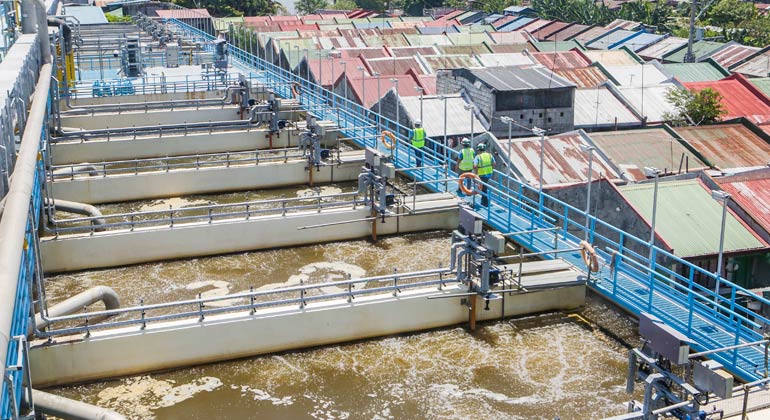
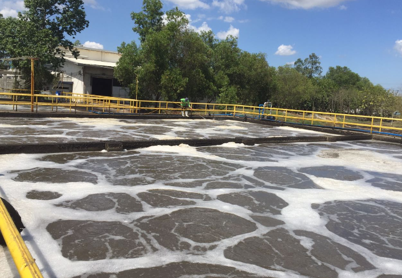
STAGES OF WASTEWATER TREATMENT SYSTEMS
Preliminary Treatment
Wastewater underwent preliminary treatment in removing large solids, fats, oil, and grease in order not to disrupt the whole wastewater treatment system. Treatment operations in this stage include coarse screening and grit removal.
Primary Treatment
Sedimentation is a process that takes place in this stage wherein settleable organic and inorganic solids are removed, same with materials that float in the wastewater known as scum by skimming.
Secondary Treatment
The primary goal of secondary treatment is to remove any remaining organic matter and suspended particles from the effluent following initial treatment. The removal of biodegradable dissolved and colloidal organic materials via aerobic biological treatment techniques is a common part of secondary treatment, which often comes after primary treatment. Biological processes are commonly associated in this treatment stage.
Tertiary Treatment
When certain wastewater elements that cannot be removed by secondary treatment need to be eliminated, tertiary and/or advanced wastewater treatment is used. To get rid of nutrients, extra suspended particles, refractory organics, heavy metals, and dissolved solids, separate treatment techniques are required.
OUR SOLUTION
Microbe-Lift IND is a highly active liquid culture consortium design specifically for use in all industrial and municipal wastewater systems. Microbe-Lift IND increases overall microbial oxidation rates, significantly increasing organic degradation performance. This novel microbial consortium provides reductions in final effluent BOD, COD, SS, and improves settling in final clarifiers, while reducing waste sludge volume in difficult to degrade compounds such as fatty acids, various chemical compounds, hydrocarbons and fibrous matter. Microbe-Lift IND enhances the biological oxidation of slow to degrade organic compounds significantly improving overall system performance and stability.